Auto Electrical Emergencies: What To Do If Your Car Won’t Start In Mackay
A car that won’t start has a way of turning a normal day into a scramble. One minute you’re on autopilot, the next you’re listening for clicks, watching dash lights and wondering what just changed. The good news is that “no start” usually points to a short list of
auto electrical
causes. The sooner the fault is tested properly, the sooner you can move from guesswork to a clear plan.
The No-Start Moment: What It Usually Means
A no-start issue is rarely random. Most of the time, your vehicle is giving a clear signal about which part of the starting and charging system is under strain, or which control module is blocking the start sequence. Rather than cycling through “maybe it’s this” ideas, it helps to think in symptoms: no crank, slow crank, cranks but won’t fire, or starts then stalls.
A qualified Mackay auto electrician can perform an inspection to confirm the category quickly and safely, then narrow down the cause with targeted tests.
- No crank: often linked to battery supply, starter circuit faults, relays or wiring connections
- Slow crank: commonly voltage drop, battery condition or high resistance in cables
- Cranks but won’t start: can relate to immobiliser logic, sensor signals or power supply to key systems
- Starts then stalls: sometimes charging faults, control issues or intermittent electrical supply
Battery issues are common, but not always simple
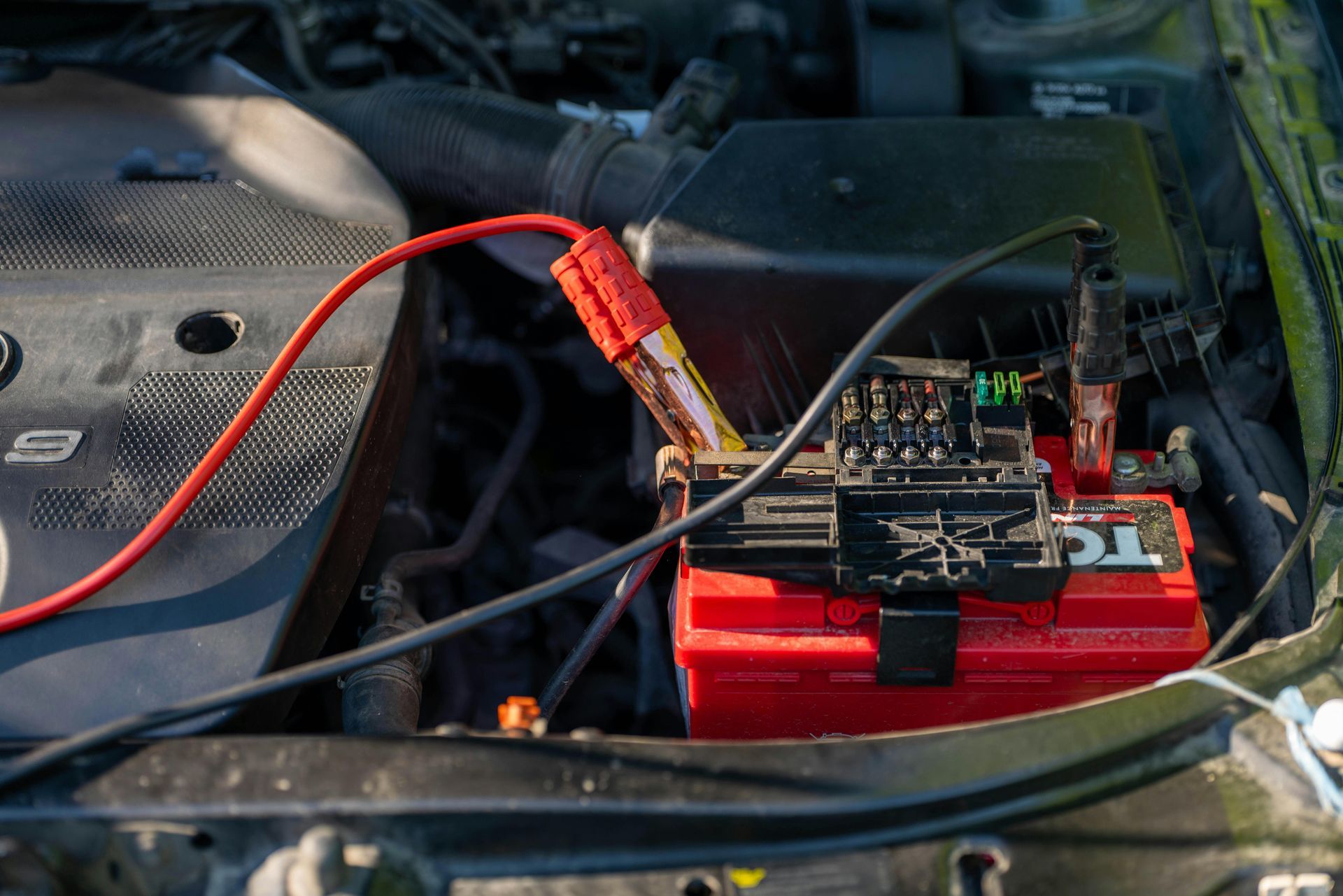
Batteries sit at the centre of many no-start callouts, but “flat battery” is often the outcome, not the root cause. A battery can be drained by short trips, a door switch that keeps a light on, an accessory drawing power after shutdown, or a charging system that is not topping up correctly. It can also be near the end of its service life and no longer hold a stable charge under load.
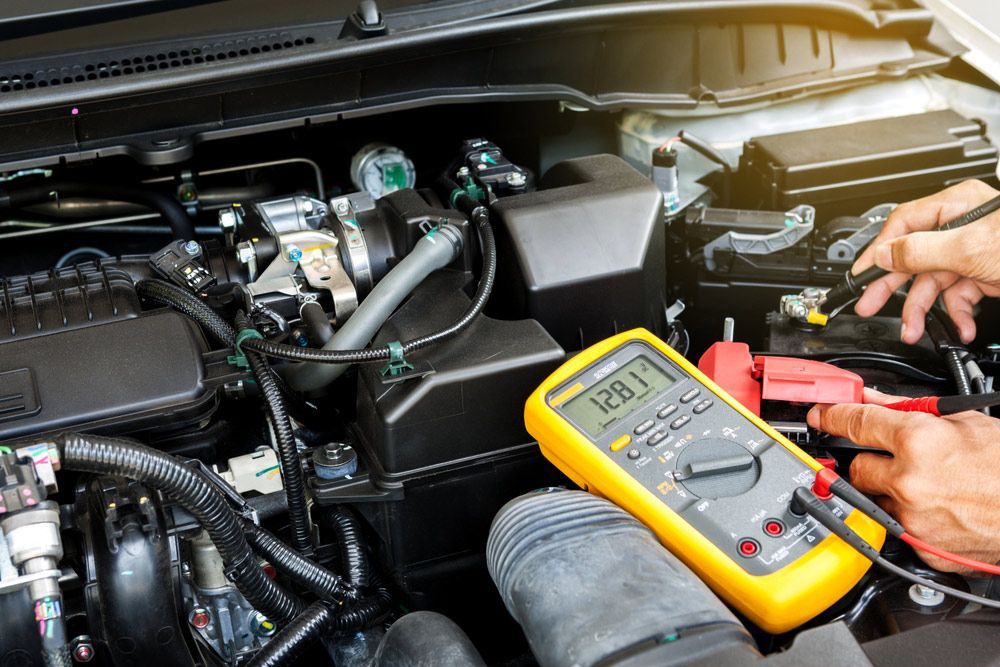
A proper battery and starting system assessment looks at more than voltage. It checks how the battery behaves under load, how quickly it recovers, and whether the vehicle is drawing more current than it should when parked. That context matters because a battery swap alone may not solve repeat no-start events.
- Battery age and internal condition can cause sudden failures without much warning
- Terminal corrosion and poor clamping can mimic a weak battery
- Parasitic drain can flatten a healthy battery overnight
- Testing the system as a whole can reveal why the battery ran down in the first place
Starter motor and wiring faults that stop everything
If you turn the key or press start and hear a click with no crank, the starter circuit becomes a prime suspect. The starter motor itself can wear over time, but the surrounding circuit can also be the issue. Relays can fail, control signals can be interrupted and wiring connections can develop resistance that blocks the current needed to crank.
Intermittent faults are common here. A vehicle might start fine for days, then refuse at the worst moment. That’s why diagnostics focus on what the starter is receiving, what it is drawing and whether the control side is consistently commanding a start.
- Single click or rapid clicking can point to starter solenoid issues or low supply under load
- Heat soak can worsen worn starter components and reveal borderline wiring resistance
- Voltage drop testing identifies where current is being lost across cables and connections
- Relay, fuse and ignition signal checks confirm the starter circuit is being triggered correctly
Alternator and charging problems that leave you stranded
An alternator can be failing long before the vehicle stops starting. Charging faults often show up as a pattern: the battery goes flat more often, headlights dim at idle, dash lights flicker, or warning indicators appear intermittently. Some vehicles will keep running until the battery can’t support the electrical load, then stall and refuse to restart.
Because the alternator is part of a wider charging system, diagnosis includes the alternator output, the regulator behaviour, belt condition where relevant, and the wiring that carries charge back to the battery. A quick scan for related fault codes can also help if the vehicle monitors charging performance electronically.
- Repeated flat batteries can indicate charging output that is below spec
- Poor connections at charging cables can reduce charge even when the alternator is working
- Regulator problems can cause unstable voltage that affects vehicle electronics
- Testing confirms whether the alternator is charging consistently across different engine speeds
Modern vehicles, immobilisers and “it cranks but won’t start”
When the engine cranks normally but won’t fire, it’s easy to assume “fuel problem”, but auto electrical causes sit high on the list. Immobiliser systems can prevent starting if the vehicle isn’t recognising a key signal. Sensor faults can stop the engine management system from delivering ignition timing correctly. Power supply issues to key modules can interrupt the start sequence even when cranking looks normal.
This is where scan-based diagnostics and circuit testing become valuable. The goal is to identify what the vehicle believes is happening and whether it is receiving the inputs it needs to start. Many modern faults live in the “almost starts” zone, where a small electrical signal problem stops the engine from catching.
- Immobiliser and key recognition issues can block ignition and fuel commands
- Crank and cam sensor signals can prevent a start if they drop out or read incorrectly
- Power supply faults to fuel pump circuits or engine control modules can stop ignition from engaging
- Fault codes and live data help narrow the search without swapping parts blindly
When warning lights are the biggest clue
Warning lights are often dismissed as background noise, but in a no-start scenario they can be one of the most useful clues available. Battery, engine, immobiliser and charging warnings can point to what the vehicle detected before it shut down, or what it is detecting now as you attempt to start it. Even the behaviour of the dash itself can matter, like dimming when you crank or resetting during start attempts.
A technician can combine those clues with targeted electrical tests. That approach reduces the chance of chasing unrelated issues and helps focus on the systems that actually prevent starting. If you can recall what lights appeared first, or whether anything flickered before the no-start, that detail can speed up fault identification.
- Battery and charging warnings can indicate supply issues or unstable voltage
- Immobiliser warnings can relate to key recognition or module communication problems
- Engine warnings can link to sensor inputs, power supply or control module faults
- Dash resets or flickering can signal voltage drops that affect multiple systems at once
Why fast, accurate diagnosis saves time and stress
With no-start faults, the biggest trap is guessing. Replacing a battery, fitting a starter motor, or swapping a relay might appear to work temporarily while the underlying issue remains. An auto electrician in Mackay will perform a structured diagnostic process that focuses on confirming the fault, verifying the cause, and then repairing the right component or connection with a clear explanation of what was found.
In practice, auto electrical diagnosis often combines battery load testing, starter current draw checks, charging output tests, scan tool results and wiring inspection. It’s not about doing “more”, it’s about doing the right tests in the right order. That’s how you avoid repeat breakdowns caused by an unaddressed charging fault, hidden drain, or intermittent wiring resistance.
- System testing can separate “symptom” from “cause” early
- Electrical measurements reveal faults that can’t be seen by looking under the bonnet
- Scan results can point to module and sensor issues behind a crank-no-start situation
- A clear fault report supports sensible repair decisions and fewer return visits
Calling Miles Auto Electrical: what to tell us and what happens next
If your vehicle won’t start, the most helpful thing you can do is describe the symptoms clearly. Tell the technician what you heard, what the dash showed, and what changed recently, like a battery replacement, accessory installation, or warning light that appeared earlier in the week. That information helps set the right diagnostic path from the start, especially for intermittent issues.
From there, the process is straightforward: the vehicle is assessed, key tests are run, the fault is explained in plain terms and options are discussed before work proceeds. If you’re looking for an auto electrician in Mackay to contact for no-start fault finding, we can step you through what to expect. For auto electrical bookings and advice on the next step, it also helps to mention if the issue is repeatable or comes and goes. As a Mackay auto electrician, we see patterns across batteries, starter circuits and charging faults and we test to confirm the cause, not guess. If you need a start and charging system check, reach out with the symptoms and we’ll guide the booking from there.
We at
Miles Auto Electrical Service understand how quickly heat, humidity, stop-start driving and busy local schedules can turn a small electrical issue into a stranded moment in Mackay, so
contact us to organise an assessment and a clear path forward.