What Your Dashboard Warning Lights Mean (Explained By A Mackay Auto Electrician)
Dashboard warning lights are easy to ignore when the car still feels like it’s driving normally. The problem is that those symbols are often the first sign something is drifting out of spec, long before you hear a noise or notice a smell. If you’re searching for an
auto electrician in Mackay, you’re probably already seeing a light you don’t recognise or one that keeps coming back. The aim of this guide is to decode the common ones in plain language, so you know what needs urgent attention, what can wait a short time, and when a diagnostic scan is the smartest next step.
What The Colours & Flashing Patterns Tell You
The first clues about any warning light come from its colour and whether it’s steady or flashing. Paying attention to these details can help you decide what action to take next and how urgent the situation may be.
You can use these rules of thumb as a starting point:
- Red lights generally mean stop as soon as it’s safe, because they often signal a serious fault or safety risk.
- Amber or yellow lights usually mean you should book in soon and avoid putting extra strain on the vehicle.
- Flashing lights, regardless of colour, indicate something more urgent than a steady glow and need prompt attention.
If you’re unsure, err on the side of caution and get it checked rather than hoping the issue disappears.
Battery Light
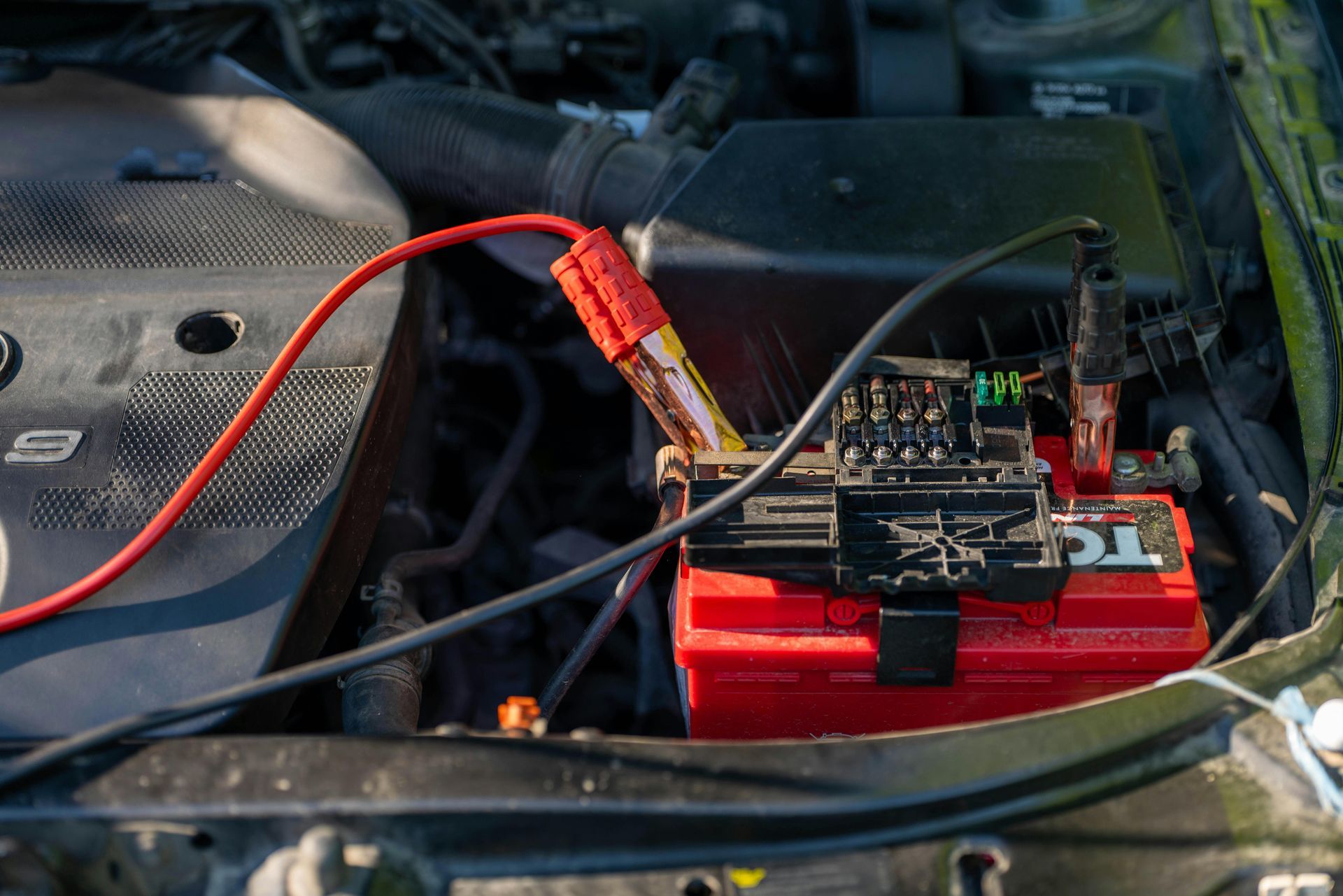
The battery symbol doesn’t always mean your battery has failed completely. More often, it signals a problem in the charging system, such as a faulty alternator, loose belt, wiring issue or even a sensor fault. While the car may keep running for a while on stored battery power, you’re at risk of a sudden stall or non-start.
To reduce the risk of getting stuck, keep these steps in mind if your battery light comes on:
- Watch for other electrical symptoms like dimming headlights or flickering dash lights.
- Turn off non-essential electrical items such as seat heaters, sound systems or additional lighting.
- Try to limit short stop-start trips, since frequent restarts drain the battery faster if it isn’t charging.
If the light stays on while you’re driving, it’s best to get the system checked soon because you may not have another start left.
Check Engine Light
A check engine light can be as simple as a loose fuel cap or as complex as a misfire or sensor fault. Sometimes it means little more than a minor emissions issue, but a flashing light or any changes in performance should always be taken seriously.
When you see this warning, you can clarify the situation by:
- Noticing any drivability changes such as unusual vibrations, sluggishness or the engine struggling to start.
- Looking out for a flashing check engine light, which can point to an active misfire or more critical fault.
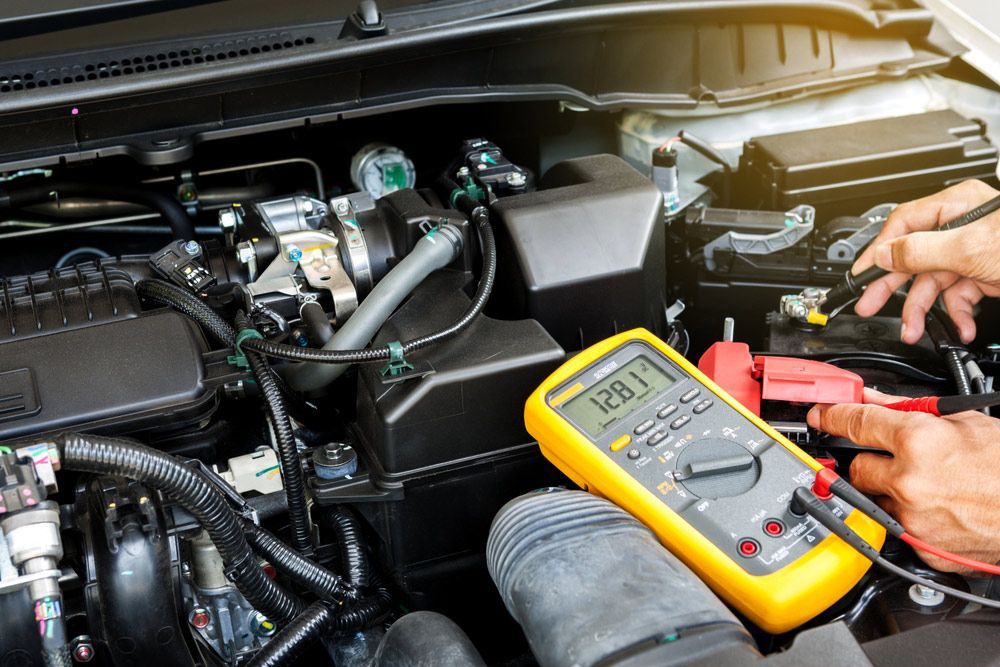
- Booking a diagnostic scan so you can pinpoint the specific code and address the correct component.
A steady light with no symptoms often gives you time to organise a check, but don’t ignore it if the car starts behaving differently.
Oil Pressure Light
This is one of the most critical warnings on the dash. It’s not just about oil changes; it means the engine isn’t being protected by proper oil pressure, which could lead to rapid and costly damage.
If you see the oil pressure light come on while driving, your best response is to:
- Pull over as soon as it’s safe and turn the engine off immediately.
- Check the oil level after the car is safely parked on level ground and has cooled a little.
- Refrain from restarting the engine or continuing to drive if the light remains on, even after topping up.
Ignoring this light can mean severe engine damage in just minutes, so always treat it as a high priority.
ABS Light
When the ABS light comes on, your car’s anti-lock braking system isn’t working as intended. While you’ll still have normal braking, features like traction control or stability assist may be compromised and stopping distances could increase in an emergency.
Here’s what you should do next:
- Drive more cautiously, especially on wet or loose surfaces where ABS is most valuable.
- Check if other warning lights appear, such as the traction control light, as they often relate to the same sensor or system.
- Organise a diagnostic check to find out if it’s a wheel sensor, wiring issue or a module fault that needs fixing.
Don’t leave this warning for months; the next sudden stop could be the one where ABS makes a difference.
Oil, Brake & Temperature Warnings That Need Immediate Action
Some warnings, like those for oil pressure, brake systems or engine temperature, all mean immediate attention is required. These lights signal conditions that could risk engine or brake failure if ignored.
If any of these lights appear:
- Stop the car safely and look for signs of overheating or fluid leaks under the bonnet.
- Avoid driving any further if the temperature gauge is high or the brake warning remains on.
- Call for assistance or arrange towing rather than risking a breakdown or further damage.
A few minutes of caution now can prevent hours of inconvenience or costly repairs down the track.
Tyre Pressure, Traction & Airbag Lights
These lights may not affect the way your car drives at first, but they’re still important for long-term safety and maintenance. Tyre pressure warnings might indicate a slow leak, a flat or sometimes just a faulty sensor, while traction and airbag lights could mean compromised safety features.
To stay safe and prevent bigger issues:
- Use a pressure gauge to check your tyres rather than relying on a quick look.
- Pay attention to whether traction or stability lights stay on all the time or only flash under certain driving conditions.
- Arrange a diagnostic scan if the airbag light is illuminated, since airbag faults rarely fix themselves.
If you aren’t sure what a light means, taking a quick photo for your records or showing it to a specialist can make the diagnostic process faster and clearer.
Book A Dashboard Diagnostic In Mackay
Seeing a warning light doesn’t always mean your car is about to break down. It does mean the vehicle’s systems have picked up something that needs checking. Acting early is the best way to avoid large repair bills or getting stranded, especially in Mackay where heat and everyday driving put extra stress on batteries, alternators and sensors.
If you need an auto electrician in Mackay,
Miles Auto Electrical Service can run a full diagnostic, explain the source of any warning lights and help you decide what to do next. Don’t wait for a small alert to become a big repair.
Contact us today
to book a dashboard diagnostic and drive with confidence.